If you own a mountain condo or townhome, it is easy to assume ski season is the only window that matters. In Steamboat’s Mountain Area, the reality is more nuanced. The best time to sell depends on how you balance buyer demand, personal use, rental income, and local rules. Let’s dive in.
Why ski season timing matters
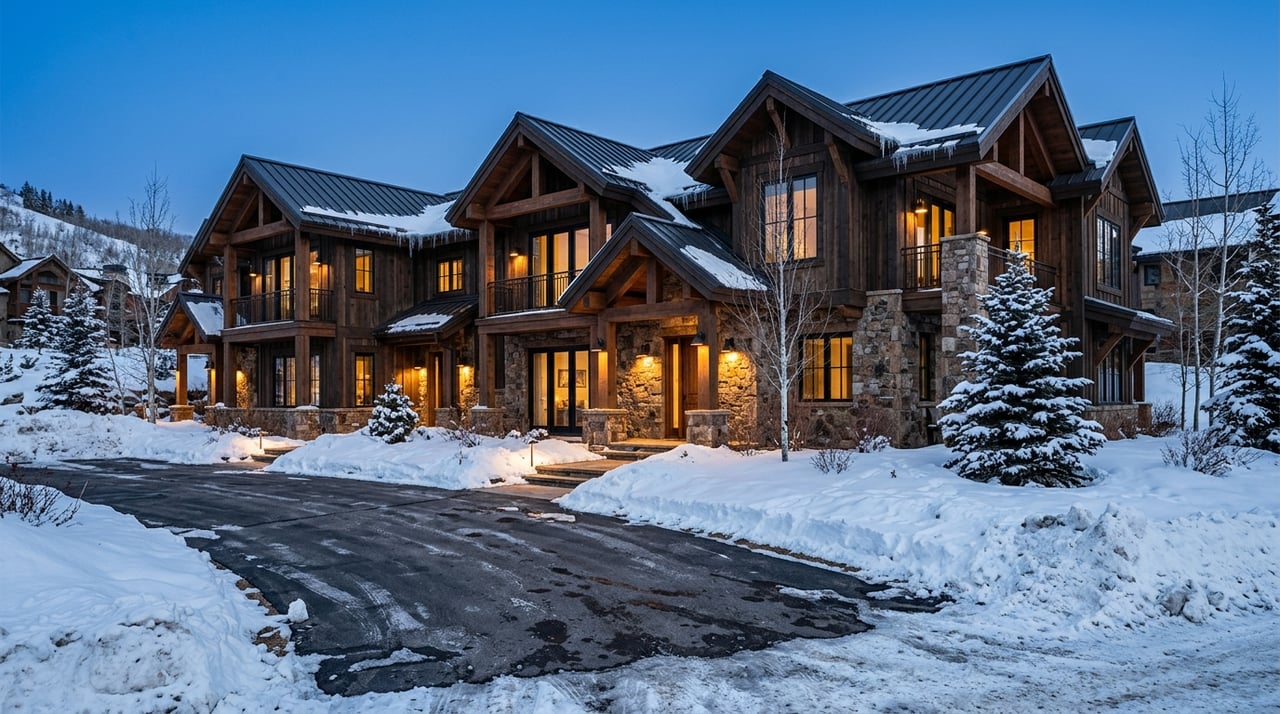
In Steamboat, winter still shapes buyer behavior in a big way. For the 2025/26 season, Steamboat Resort ran from November 22, 2025, through April 19, 2026, with night skiing from December 11 through March 22 and holiday night skiing from December 25 through January 4. That long winter calendar creates a clear rhythm for buyers who want a property ready for ski use.
At the same time, this is not a winter-only market. Summer operations began in early June 2026, and the resort continues to market summer stays through early October. That means your sale strategy should reflect a year-round destination, not just a snow-season rush.
Steamboat is a second-home market
Timing matters even more because so much of the local housing stock is tied to part-time ownership. A 2025 housing study found that 37% of homes in Routt County are part-time residences or vacation rentals. In Steamboat Springs, the split is 56.5% year-round and 43.5% part-time.
That mix affects how buyers shop. Many ski-area condos are purchased for part-time use, occasional rental income, or both. The same study notes that many condos are built with part-time use and overnight rentals in mind, and HOA costs often reflect staffing and amenity packages.
Before ski season: Appeal to ready buyers
Listing in late summer or early fall can be a smart move if you want to catch buyers planning ahead for winter. Because opening day lands in late November, a pre-season launch gives buyers time to tour, negotiate, close, and get the property ready before the first ski weeks. That can be especially useful if your home is likely to appeal to someone who wants immediate winter use.
This window can also align well with buyer planning habits. Some second-home buyers want to secure a property before the holiday rush, not during it. If your goal is to reach those buyers early, pre-season timing can create a cleaner runway.
When pre-season timing makes sense
Pre-season may be the right fit if you want to:
- Sell to a buyer who wants winter access right away
- Avoid carrying the property deeper into the season
- Give buyers enough time for inspections and closing before snowfall logistics increase
- Enter the market before holiday competition ramps up
During ski season: Show the lifestyle live
Listing during ski season offers one major advantage. Buyers can experience the property in its most relevant setting. They can see snow conditions, check base-area access, understand parking realities, and get a true sense of what winter ownership feels like.
That can be especially powerful for ski-oriented condos and townhomes. Steamboat’s winter calendar includes visible draw periods and events such as Cowboy Downhill, Winter Carnival, WinterWonderGrass, and the Springalicious closing stretch in April. When buyers are in town and the mountain is active, your property can feel more immediate and more tangible.
The tradeoff during peak season
The main downside is opportunity cost. If you normally use the property during winter or generate income from peak-season stays, listing during ski season may require you to give up some of that value. In some cases, sellers wait too long because the rental income looks attractive, only to find that the market has shifted or buyer urgency has softened.
This is why timing your sale should not be treated as a simple seasonal rule. It is really an asset decision. You are weighing current use and revenue against market exposure and sale timing.
After ski season: Still a viable selling window
If you miss the winter market, that does not mean you missed your chance. Steamboat continues to attract buyers after ski season because it remains active in summer and early fall. Summer operations bring gondola rides, live music, the Yampa River, the farmers market, and the rodeo season into the buyer conversation.
Post-season timing can work well for sellers who want a less compressed pace. It may also reduce direct competition from listings tied to peak winter demand. In this window, your marketing message should shift from ski access alone to year-round enjoyment, lock-and-leave convenience, and broader lifestyle value.
Pricing still matters more than timing alone
Seasonality can improve visibility, but it does not replace pricing discipline. March 2026 data from the Colorado Association of REALTORS for Routt County showed the townhouse and condo segment with a median sales price of $861,000, 96 days on market, 222 homes for sale, and 7.3 months of inventory.
That data points to an important truth. Buyers may be active, but they still have options. If your home is overpriced or underprepared, listing in the middle of ski season will not automatically solve that.
What today’s market suggests
A smart sale plan usually includes:
- Pricing based on current competition, not last season’s peak hopes
- Clear positioning for your property’s best use case
- Strong preparation, photography, and presentation
- A realistic understanding of days on market
In other words, timing can help your story, but pricing and presentation still carry the deal.
Rental rules can shape your timing
If your property has been used as a short-term rental, local rules matter just as much as ski season. In Steamboat Springs, it is unlawful to advertise, offer, provide, or operate a short-term rental without first obtaining a license. The city also states that short-term rental licenses do not transfer with the sale of the property.
That detail matters for sellers and buyers alike. A buyer cannot assume they can step in and continue operations under the existing license. If rental use is part of the property’s appeal, that conversation should happen early and clearly.
Questions to confirm before listing
Before you build a sale strategy around rental income, confirm:
- Whether the property is inside Steamboat Springs city limits or in unincorporated Routt County
- Whether a current short-term rental use is properly licensed or permitted
- Whether HOA rules are more restrictive than local rules
- Whether parking and snow-storage requirements are documented and workable
The city requires a parking and snow-storage plan for short-term rental licensing. That can become a practical issue in due diligence, especially for mountain-area properties with limited parking layouts.
Taxes and carrying costs matter too
Another factor is the real cost of holding the property for one more winter. Steamboat Springs lists a 9% short-term rental tax and a combined 18.4% tax rate on short-term rentals. If you are deciding whether to rent for one more peak season before selling, those numbers deserve attention.
For some owners, one more season of revenue still makes sense. For others, the tax burden, carrying costs, and delayed sale timeline may outweigh the benefit. This is one reason the timing conversation should be grounded in numbers, not just instinct.
County properties need extra caution
If your property is outside city limits, the rules can be even more important. Routt County’s Unified Development Code states that short-term rentals are not allowed in unincorporated Routt County unless a special use or conditional use permit has been issued for an otherwise authorized land use. The county also states that short-term rentals have never been allowed in unincorporated areas without a permit or PUD approval.
That means sellers should be very careful about assuming rental history automatically supports future use. Jurisdiction matters. So do permits, overlay areas, and any HOA limitations that may affect the buyer’s plans.
A simple way to choose your window
The most useful question is not, “Is winter the best time to sell?” The better question is, “What am I trying to maximize?” Your answer usually points to the right timing strategy.
If you want the broadest winter-use appeal, list before or during ski season. If you want one more season of personal use or rental revenue, you may wait, but you should weigh that against costs and market risk. If you want a calmer sales window and your property has year-round appeal, after ski season can still be a strong option.
Timing your sale with confidence
In Steamboat’s Mountain Area, selling well is part market timing and part asset management. The right strategy depends on your property, your goals, your HOA and licensing reality, and the current level of buyer choice in the market. That is where local guidance can make a meaningful difference.
If you are thinking about selling a ski-area condo, townhome, or mountain property, The Metzler Team can help you evaluate timing, presentation, and market positioning with a clear local strategy.
FAQs
When is the best time to list a Steamboat ski-area condo?
- The best time depends on your goal. Late summer and early fall can work well for buyers who want winter use right away, while ski season offers the strongest lifestyle exposure.
Should you wait until ski season to sell a mountain property?
- Not always. Ski season can help buyers experience the property firsthand, but pricing, presentation, and current inventory still matter more than seasonality alone.
Can a Steamboat short-term rental license transfer to a buyer?
- No. The City of Steamboat Springs states that short-term rental licenses do not transfer with the sale of the property.
Are short-term rentals allowed in unincorporated Routt County?
- Not by default. Routt County says short-term rentals in unincorporated areas require a special use or conditional use permit for an otherwise authorized land use.
What should sellers verify before marketing rental income potential?
- You should confirm licensing or permit status, HOA restrictions, parking requirements, snow-storage requirements, tax impacts, and whether the property is inside city limits or in unincorporated county jurisdiction.